
Practical education
Exposure is a place to begin
Before we ask what a learner wants to become, we should ask what they have had a chance to try.
A different first question
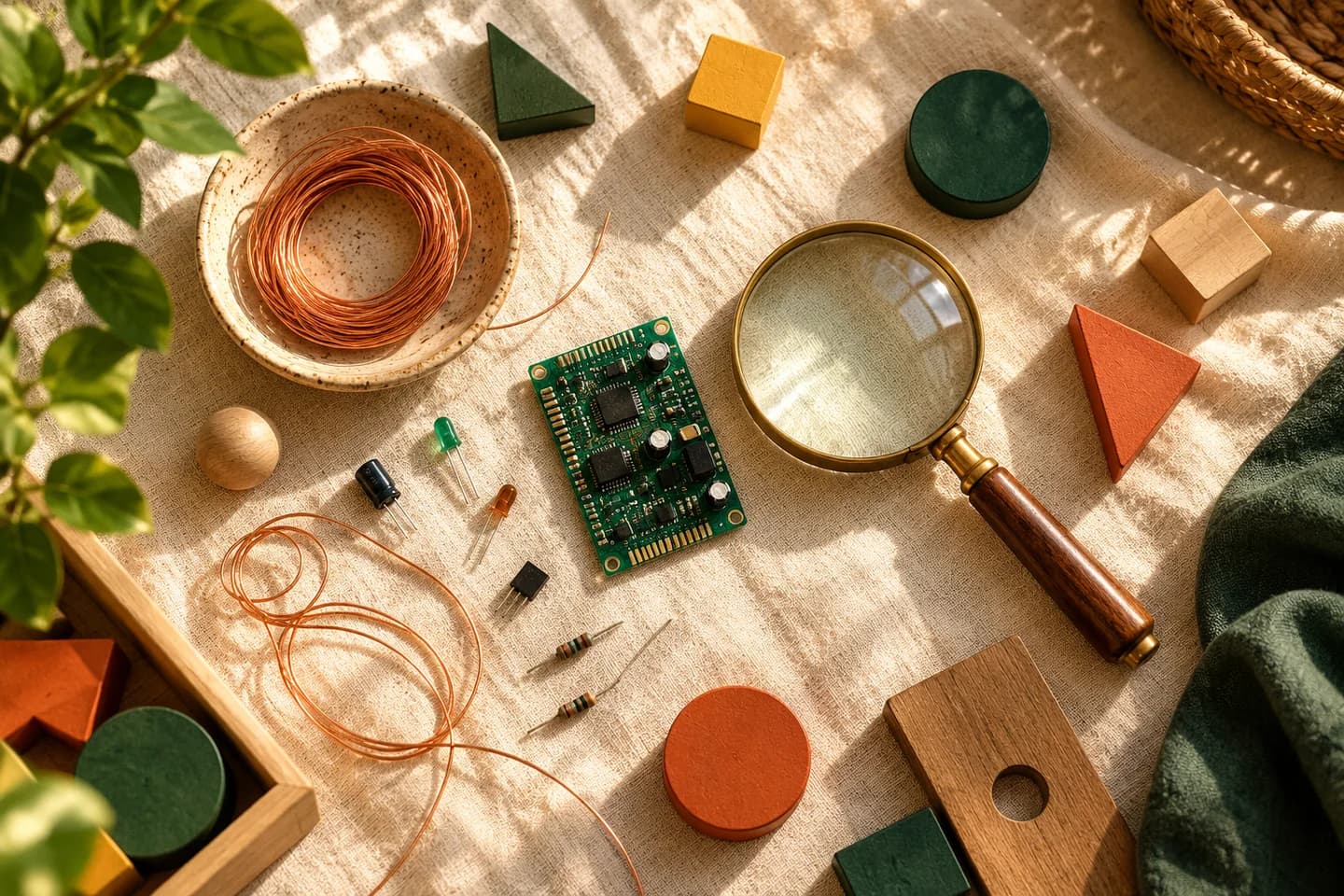
What do you want to become? It sounds like a simple question. Yet it asks a young person to choose from a world they may only partly know. Our starting point should sometimes be more generous: what have you been able to see, touch, question and try? A meaningful answer needs experiences to draw from, including permission to discover that an unfamiliar activity might be interesting.
Exposure, as we understand it, is more than a presentation about successful people. It is the chance to meet a piece of work closely enough to understand the choices inside it. What does someone building a website actually do? How does a spreadsheet help a business? What makes a digital design clear? These questions turn distant job titles into things a learner can investigate.
Let the learner do something
A useful introduction should leave room for action. Show how a simple page is arranged, then let learners change its structure. Explain how information can be organised, then ask them to organise a small example. Invite them to describe what they changed and why. The aim is a first experience of making a decision, seeing its effect and trying again.
The example should be manageable enough that the learner can finish something. A first task overloaded with tools and terminology can hide the very idea we are trying to introduce. We would rather explain one useful concept clearly, give it a practical setting and return to it in a more demanding task when the learner is ready.
Teachers belong in the picture
UNICEF Nigeria's account of teacher development in Enugu describes educators practising with digital tools and exploring classroom uses. That example matters to this discussion because introducing equipment also creates a teaching responsibility. The adult guiding a lesson needs time to learn the tool, ask questions and think about how it serves the class.
For a school considering practical technology education, we suggest starting with the learning experience. What will learners create? Who will guide them when they get stuck? How will practice fit around the school day? What evidence can parents and teachers look at afterwards? Those questions help make a programme understandable before anyone is asked to judge its promise.
Keep the door open after the introduction
A demonstration can open a door. Repeated practice gives someone a chance to walk through it. We want the first encounter with technology to connect to work a learner can revisit, rather than becoming an isolated event. Feedback, a next task and a record of progress all give that encounter somewhere to lead. Curiosity deserves a route beyond the room where it began.
Our education work is shaped by this belief: explain plainly, practise purposefully and help people see what they have made. We invite schools to discuss their setting with Forge, including their learners, timetable and available tools. A useful conversation starts with those details. From there, we can explore what a practical beginning could look like together.
Sources & context
This is Forge’s editorial perspective. External sources provide context; they do not imply an endorsement or partnership.
UNICEF Nigeria · From Smart Schools to Smarter Learning
A September 2026 account of practical teacher development in Enugu; an external example, not a Forge programme.
Keep exploring.
All stories
A founder’s reflection
If Disney could imagine Wakanda, why can’t we build what we keep imagining?
I keep coming back to a question: what would change if we gave our imagination a responsibility, and started within the capacity we have?
Read story
Our point of view
The future we can start building
A better future asks something of us now. Sometimes the first useful contribution is closer than we think.
Read story
Learning by doing
A portfolio begins with one useful project
Keep the work, the decisions and the revisions. A learner should be able to explain more than the finished screen.
Read story