Learning by doing
A portfolio begins with one useful project
Keep the work, the decisions and the revisions. A learner should be able to explain more than the finished screen.
Something you can show and explain
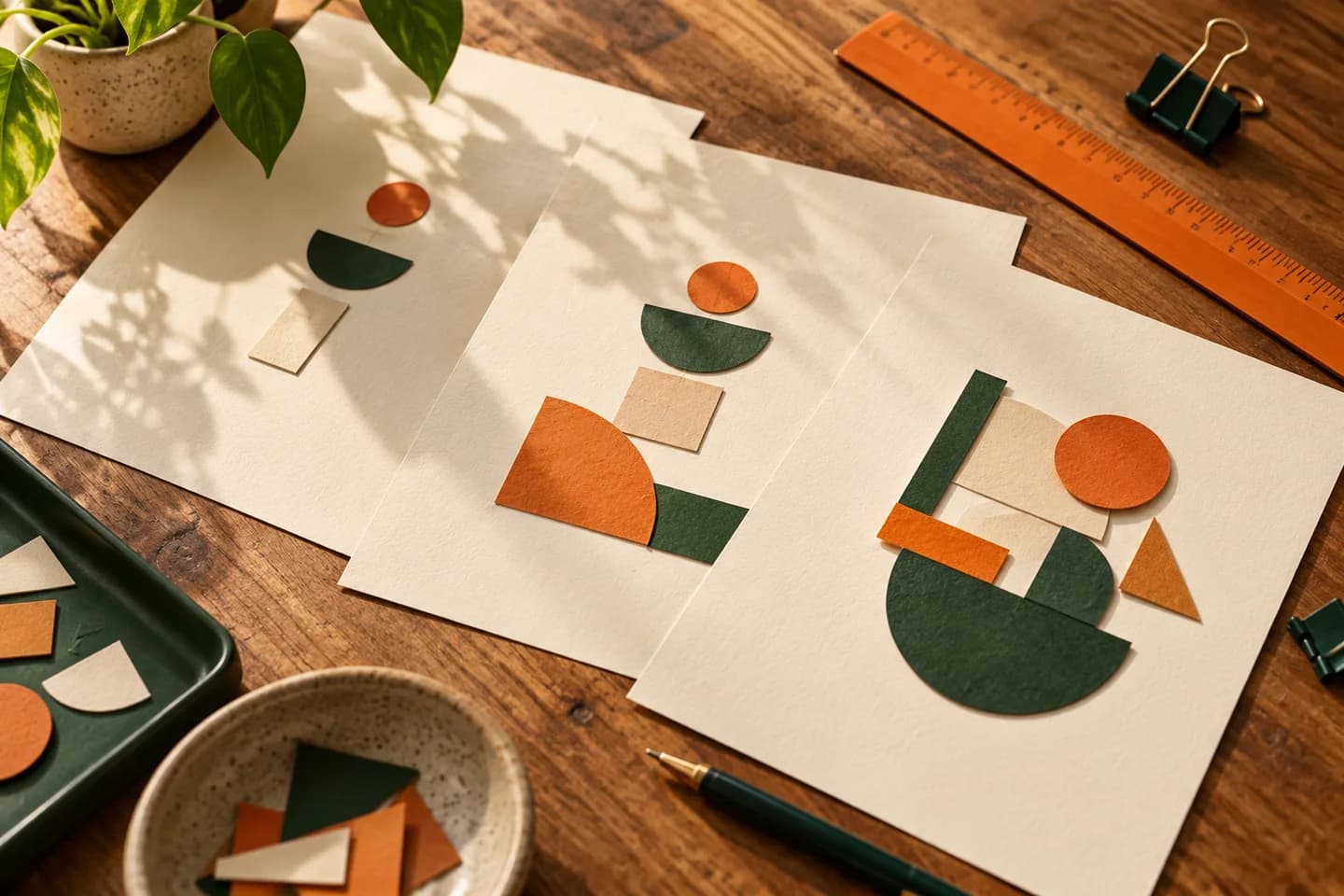
Imagine asking a learner what they can do and giving them room to show you. They open a project, explain the problem they chose and walk through a decision they changed. This is the kind of conversation we want practical learning to make possible. The finished work matters, and so does the learner's understanding of how it came together.
A portfolio can start small. A clear document, a simple website or an organised spreadsheet can be a worthwhile beginning when it answers a real brief. These are suggested learning tasks, not claims about a particular student's achievement. The point is to give the work a purpose that can be discussed: who needs it, what should it do and how will we know whether it helps?
Choose a task with boundaries
A good brief gives enough direction to begin without making every decision for the learner. Ask for an information page with a clear heading, readable sections and a useful next step. Let the learner decide how those pieces fit together. Review the result against the brief, rather than judging it only by how polished it appears beside professional work.
Keep the task within reach of the tools and time available. It is better to complete a small piece of work thoughtfully than to abandon a much larger idea that depended on resources the learner never had. A first project should create something solid to return to. Later tasks can add complexity as understanding and independence develop.
Save the thinking as well as the result
We encourage a simple project record: the original brief, an early attempt, the feedback received and the next version. Add a short explanation in the learner's own words. What was difficult? What changed? What would they improve with more time? This record gives a reviewer something more useful than an unexplained screenshot and gives the learner a way to notice their own decisions.
UNESCO's technology-in-education report considers teacher preparation alongside access and governance. Our interpretation for project learning is practical: the tool needs a teaching approach around it. A folder of assignments alone cannot tell us how well someone understands the work. Conversation, feedback and opportunities to revise should sit beside the saved files.
Let the work travel with the learner
A learner should know how to find, name and reopen their own projects. Where possible, keep a usable copy alongside a presentation version. Describe any help received and credit other people's work. Remove private details before sharing. These habits make the portfolio clearer and more responsible, and they are worth practising from the first task rather than adding at the end.
We want practical education to leave someone with work they can return to after the lesson ends. A portfolio does not promise a job, an admission or a business. It offers a starting point for a more concrete conversation about capability. One completed project, honestly explained, gives the next teacher, mentor or collaborator something real to build on.
Sources & context
This is Forge’s editorial perspective. External sources provide context; they do not imply an endorsement or partnership.
UNESCO · Technology in education: A tool on whose terms?
The 2023 GEM Report examines access, teacher preparation and governance as conditions for educational technology.
Keep exploring.
All stories
A founder’s reflection
If Disney could imagine Wakanda, why can’t we build what we keep imagining?
I keep coming back to a question: what would change if we gave our imagination a responsibility, and started within the capacity we have?
Read story
Our point of view
The future we can start building
A better future asks something of us now. Sometimes the first useful contribution is closer than we think.
Read story
Practical education
Exposure is a place to begin
Before we ask what a learner wants to become, we should ask what they have had a chance to try.
Read story